Driveway Leveling Hartford CT. We Lift Your Sunken Slab, No Tear-Out.
Lift settled driveway slabs, garage aprons, and sections that have tipped back toward the house.
- Same-day return to use
- No demolition, no repour
- Free written on-site quote
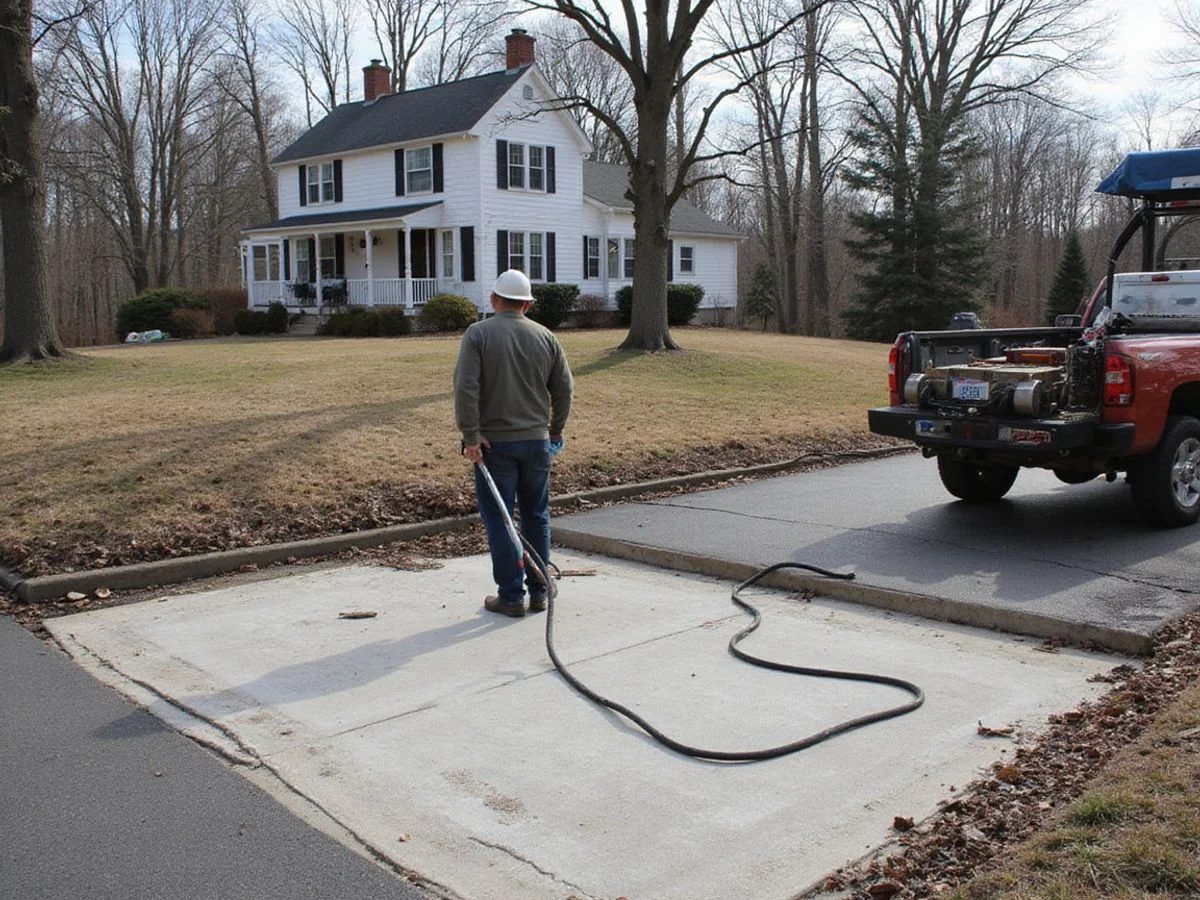
Signs you need driveway leveling
The problems that actually bring people to this page, not generic concrete talk.
A trip edge that keeps catching toes
Where one section of the driveway drops faster than its neighbor, the step at the joint is where people catch a foot, a shovel, or a stroller wheel.
Water running back at the garage
Once the apron tilts, meltwater that used to run to the street pools at the garage door or seeps toward the foundation instead.
A repour quote you keep putting off
Tear-out estimates run high and mean a week without a driveway. Most settled slabs never needed that much work in the first place.
A crack that's a little wider every winter
Each freeze-thaw cycle grows the void underneath. What was a hairline gap two winters ago is now a visible drop at the joint.
What Is Driveway Leveling?
Driveway leveling raises a settled concrete slab back to its original grade by injecting expanding polyurethane foam underneath it. The concrete doesn’t get removed, broken up, or repoured. Small ports go in through the surface, the foam fills the cavity that formed under the slab, and the controlled expansion lifts the section back into line.
Connecticut winters wash out the base under driveway slabs, and the apron at the garage is usually the first thing to drop. That’s where the fill is loosest and where roof and downspout water concentrates. Once a void opens up, the slab has nothing supporting it and gravity does the rest.
What’s Included
- Settled driveway slabs and dropped garage aprons raised back to grade
- Small injection ports, no demolition, landscaping left intact
- Same-day return to use on most residential jobs
- Pitch corrected so meltwater runs away from the house again
- Sub-slab voids filled so the section stops re-settling
- Honest call when replacement genuinely beats lifting
Why Driveways Sink in Connecticut
The Connecticut frost line sits at 42 inches. Footings for a house have to reach below that depth, which is why foundations mostly stay put. Driveways, aprons, walkways, and patios sit nowhere near that deep, so they take the full freeze-thaw cycle every single winter.
Here’s the loop that ends with a dropped slab:
- Surface water finds an open joint or a crack and gets under the concrete.
- It freezes, expands, and displaces the compacted base material.
- It thaws, drains away, and carries fine material with it.
- What’s left is a void. The slab, unsupported, settles into it.
Each winter widens that cavity. This is why a driveway that dropped a quarter inch three years ago is now sitting an inch and a half low, and why patching the surface never solves anything. The problem is under the concrete, not on it.
Differential settlement is the visible symptom. One slab drops faster than its neighbour, the two step apart, and you get a trip edge or a bumper-catching lip at the garage.
What the Lift Actually Does
Two-part closed-cell polyurethane goes in through 5/8-inch ports. The components meet at the nozzle, react, and expand into every space in the void, including the parts nobody could reach with a shovel. Because the material is closed-cell it doesn’t take on water, so the fill doesn’t wash back out the way mudjacking slurry can under Connecticut drainage.
The foam is light, a fraction of the weight of a cement slurry, so it doesn’t load the already-weak soil underneath and start a new round of settlement. It reaches working strength in roughly 15 minutes, which is why the same-day cure is real rather than marketing.
We monitor the lift with a level as it goes, in stages, so the slab comes back to grade rather than overshooting. Getting the height right is half of it; getting the pitch right so the driveway drains away from the house is the other half.
If you want the full step-by-step, the how concrete leveling works guide walks through port layout, foam chemistry, and lift monitoring. If you’re weighing methods, polyurethane foam vs mudjacking lays the two side by side.
Foam Lifting vs. Mudjacking vs. Replacement
The three ways a settled driveway slab usually gets dealt with, side by side.
| Polyurethane foam lifting | Mudjacking | Tear-out and repour | |
|---|---|---|---|
| Hole size | 5/8-inch ports | Noticeably larger holes | Whole slab removed |
| Cure / return to use | Working strength in ~15 minutes, same-day use on most residential jobs | Longer cure before the slab takes load | Slab out of service for a week or more |
| Weight added to the base | Light — a fraction of a cement slurry, so it doesn’t reload weak soil | Heavy slurry adds load to soil that already failed | New slab plus new base |
| Behaviour in CT drainage | Closed-cell, doesn’t take on water, so the fill doesn’t wash back out | Slurry can wash back out under freeze-thaw drainage | Depends entirely on how the new base is prepared |
| Void underneath | Filled, including spaces no shovel reaches | Filled, though placement is coarser | Removed with the old slab |
| Site disruption | No demolition, landscaping left intact | Some mess from slurry placement | Excavator on the property, full demolition |
Lifting only wins when the concrete itself is still sound. Where a slab has spalled through, cracked full depth, or started crumbling, we say so at the inspection rather than sell a lift that won’t hold.
How Much Does Driveway Leveling Cost?
Custom per-project quote. Priced on square footage, how much lift the slab needs, and the volume of void underneath.
For comparison, a full tear-out and repour typically runs well north of that per square foot, plus a week or more with the slab out of service.
Apron / single section
- One dropped section or garage apron
- Typically 1-3 hours on site
- Same-day return to use
Half driveway
- Several settled slabs or a full run
- Pitch corrected away from the house
- Ports patched, site cleaned, same-day use
Full driveway + void fill
- Whole driveway back to grade
- Sub-slab void filling included
- Control joint sealing available
Ranges are for planning only. The written on-site quote is the real number, and it's free.
Try Our Free Concrete Leveling Cost Estimator
Estimate the cost of lifting a sunken slab and see how it compares to full tear-out and replacement.
Get Your EstimateWhy Choose CT Pro Concrete Leveling for Driveway Leveling?
New business, no inflated numbers. These are the operational facts that decide whether a lift holds.
Waterproof fill, not slurry
Closed-cell polyurethane doesn't absorb water or wash back out, which matters on a driveway that sheds every thaw.
Built for the 42-inch frost line
Driveways sit far above Connecticut's footing depth, so they take the whole freeze-thaw cycle. We treat the void that cycle carves out.
Your landscaping survives
No excavator, no dump truck, no spoil pile. Beds and borders along older Hartford-area drives stay where they are.
Same-day parking
The foam cures in roughly 15 minutes. Against a tear-out, that's a week of driveway downtime you don't lose.
One crew, one number
You get the owner at the inspection and on the phone afterward. No franchise dispatch center in another state.
Repair-vs-replace, straight
If the slab is crumbled or cracked through, lifting it wastes your money. We'll tell you that on site.
How Does Driveway Leveling Work?
Inspection to finished lift, normally inside one visit.
Free on-site inspection
We measure the drop, probe where the void sits, and check whether the concrete itself is still sound enough to carry a lift.
Written quote
Square footage, lift height, and the price in writing before anything is drilled. Including whether a repour is the better buy.
Port and inject
Coin-sized ports go in along the settled section. Two-part polyurethane expands underneath, fills the void, and raises the slab.
Patch and drive on it
Ports are patched to match, the site is swept, and the foam has cured. Most driveways carry a vehicle the same evening.
Not sure if you need lifting or replacement?
That's exactly what the free on-site inspection answers. We measure the settlement, check the void underneath, and give you the honest call in writing.
Driveway Leveling Gallery
Click any image to enlarge.
See the difference
Same slab, same day. No demolition, no repour.
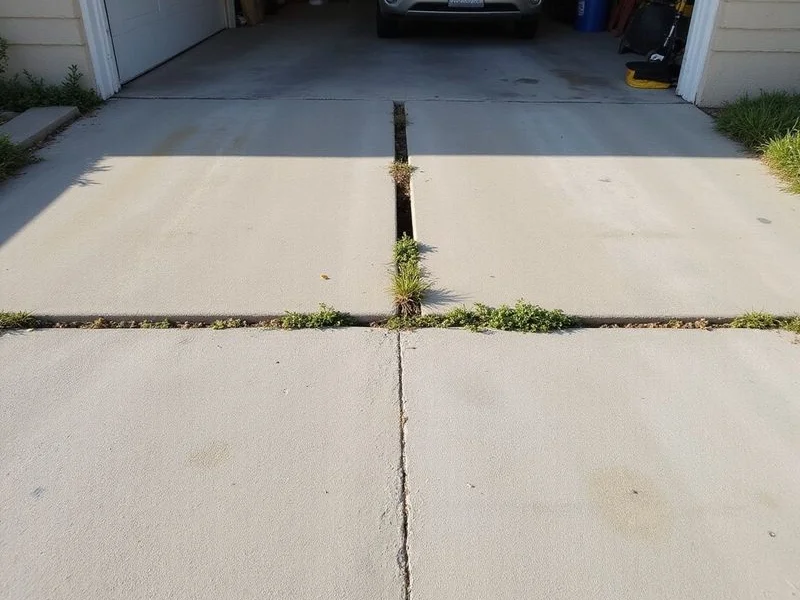
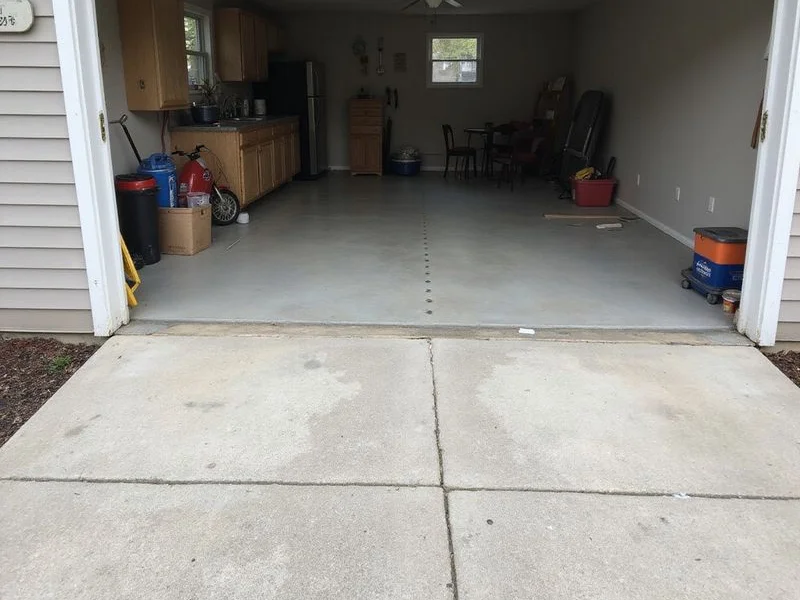
Driveway Leveling: settled section lifted back to grade
What Customers Say About Our Driveway Leveling
We're a new business and we're not going to pretend otherwise. These are early customer comments; verified Google reviews go here as they come in.
"Our driveway apron had dropped a good two inches at the garage and I assumed we were looking at a full repour. They lifted it back to grade in an afternoon and we parked on it that evening. Half of what the replacement quotes were."
"Front stoop had pulled away from the house and dropped at one corner. They closed the gap and brought it back level without rebuilding it. Honest about what they could and couldn't fix, which I appreciated."
"We had a trip hazard on a shared walkway at our rental. They leveled the stepped sections the same day and it's been solid. Fast, clean, and no demolition mess for the tenants."
Driveway Leveling FAQs
How much does driveway leveling cost in the Hartford area?
Most residential driveway lifts run roughly $3 to $10 per square foot depending on how much lift the slab needs and how much void has to be filled underneath. That generally lands at a fraction of a tear-out and repour. The written on-site quote is free and gives you the actual number.
How long does a driveway lift take?
A single dropped apron or section is usually one to three hours. A full driveway run is most of a day. Either way it's normally one visit, because the polyurethane cures in about 15 minutes rather than curing overnight the way mudjacking slurry does.
Can I park on the driveway the same day?
Yes, on most residential jobs. Once the ports are patched and the foam has cured, the slab carries vehicle load. That same-day return to use is the main practical advantage over both mudjacking and replacement.
How big are the injection holes?
Roughly coin-sized, around 5/8 of an inch. They're drilled along the settled section, then patched flush when we finish. Mudjacking uses noticeably larger holes, which is one reason foam leaves a cleaner surface.
Why did my driveway sink in the first place?
In Connecticut it's usually sub-base washout driven by freeze-thaw. Water gets under the slab, freezes, expands, and moves the base material. Over several winters that leaves a void and the slab drops into it. Differential settlement between sections is what creates the trip edge you can see.
Will lifting fix water running toward my house?
Usually. When a slab settles it changes the pitch, so meltwater that used to run to the street runs back at the foundation. We monitor the lift against a level so the finished slab drains the right direction, not just sits at the right height.
When is replacing the driveway the better option?
When the concrete itself has failed: badly spalled surfaces, cracks through the full depth, or sections that have crumbled. Lifting a slab that can't hold together is money wasted. We'll say so at the inspection rather than sell you a lift.
Do you fill the void, or just raise the slab?
Both. Filling the cavity is the part that stops the section re-settling. Raising the concrete without addressing what's underneath just resets the clock on the same problem.
Question not covered here?
Send a photo of the slab with your question. We'll tell you what we're looking at before anyone visits.
Ask Us DirectlyRelated Guides
Related Services
Ready to Book Driveway Leveling?
Free on-site inspection and a written quote for your driveway leveling job, including an honest call on whether lifting or replacing is the better buy.
- Written quote before any work starts
- No demolition, landscaping stays intact
- CT HIC registered and insured