Garage Floor Leveling Hartford CT. We Level a Sinking Slab Without Tearing It Out.
Raise sunken interior garage slabs, cracked and stepped sections, and floors that have thrown doors and thresholds out of alignment.
- Same-day return to use
- No demolition, no repour
- Free written on-site quote
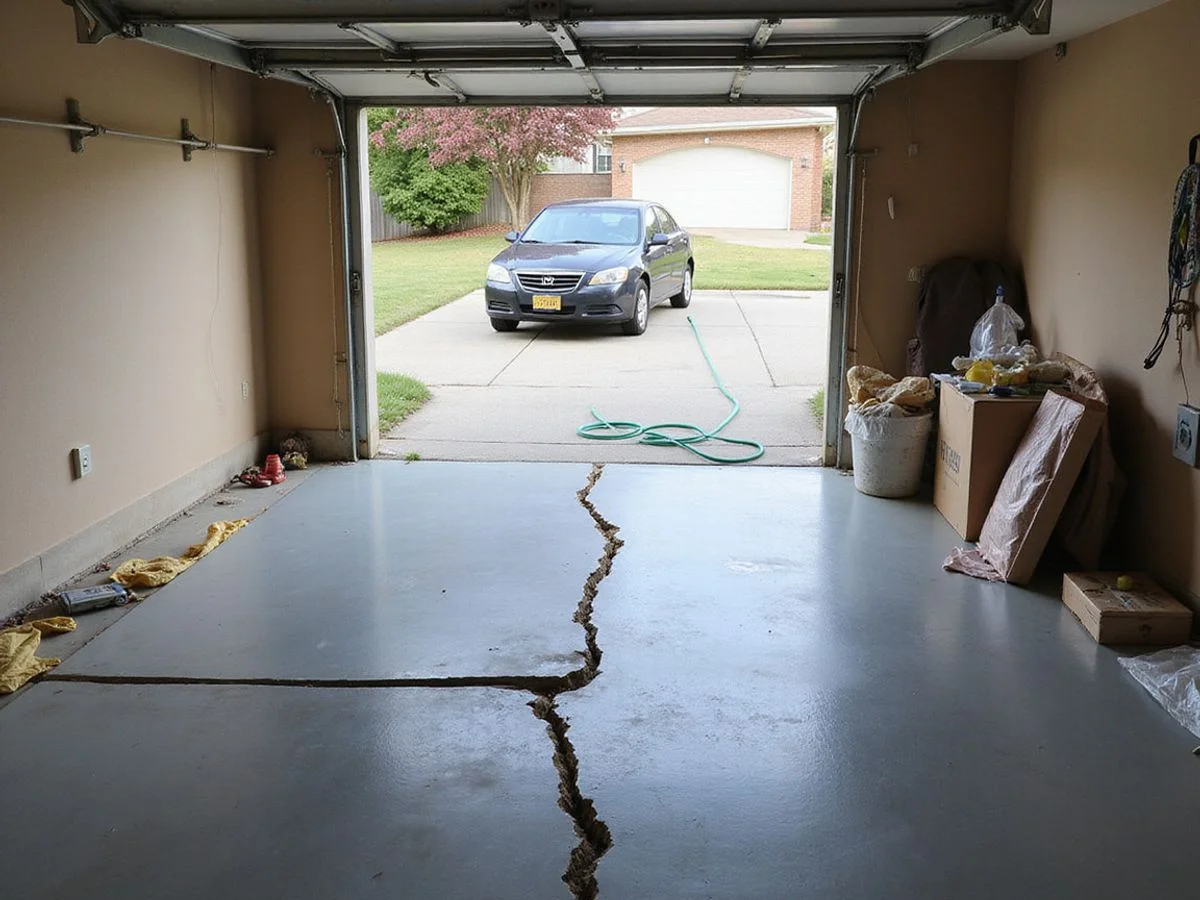
Signs you need garage floor leveling
The problems that actually bring people to this page, not generic concrete talk.
The garage door won't seal at the threshold
A dropped slab pulls away from the door line, letting in drafts, water, and the occasional mouse along the gap.
A step in the floor that catches the dolly
Where sections separate at the control joint, a loaded hand truck, floor jack, or car door edge snags on the drop.
Cracks spreading from the low corner
Settlement cracking gets worse every winter the void underneath goes untreated, and it usually starts at the corner that dropped first.
Dreading a jackhammer in the garage
Tearing out an interior slab means a dust cloud, a debris pile, and the garage out of service for days over a problem that's usually just a void.
What Is Garage Floor Leveling?
Garage floor leveling raises a settled interior slab back to level using injected polyurethane foam, without breaking out the concrete. Ports go in through the floor, foam fills the void underneath, and the slab comes up in controlled stages until it’s back where it belongs.
A dropping garage slab is rarely just a flat-floor problem. It throws the door, threshold, and frame out of alignment, it creates a step where sections separate, and it turns a floor jack or a loaded dolly into something that catches an edge. Fixing the height fixes all of that at once.
What’s Included
- Sunken interior slabs and stepped sections raised back to level
- Restores door, threshold, and frame alignment
- Load-bearing foam, safe under a working garage
- Minimal holes, minimal mess, same-day parking
- Backfill settlement voids filled so sections stop dropping
- Straight answer when a repour is genuinely the better call
Why Garage Slabs Drop When the House Doesn’t
Your foundation sits on footings that reach below Connecticut’s 42-inch frost line. That’s code, and it’s why the house stays put. The garage slab is a different animal: it’s poured on backfill, and backfill is disturbed material that keeps consolidating for years after the build.
Three things then work on it:
- Backfill settlement. The fill compacts under its own weight and under vehicle load, and the slab follows it down.
- Water intrusion. Runoff at the door line and along the foundation carries fine material out of the base, opening a sub-slab void.
- Freeze-thaw heave. Water in the base freezes and expands, then thaws and drains. Sections that trap water can push up while neighbouring sections drop.
That’s why one part of the floor can heave while another sinks, and why they end up stepped apart at the control joint. Why is my garage floor sinking or cracking? goes deeper into the crack patterns and what each one tells you.
Load-Bearing Foam Under a Working Garage
The obvious question about foam under a garage floor is whether it holds a car. It does. The closed-cell polyurethane used for slabjacking is specified by compressive strength precisely because it’s carrying slab loads. Driveways, garage floors, warehouse aisles, and commercial entrance slabs all run on the same material class. Manufacturer data sheets state the strength figures, and we cite those rather than our own track record.
Weight matters here too. Foam is a small fraction of the weight of a mudjacking slurry, which means the lift doesn’t add fresh load to soil that has already proven it can’t carry what’s on it. That’s a real distinction on backfill.
Precision is the other half of the job. Bringing two stepped sections back flush needs the lift staged and measured as it goes, not run in one shot. Rushing it leaves you with a new edge in a different place. We work the level continuously through the lift, and where the threshold is involved we’re matching the door line specifically.
If the door and threshold are what brought you here, garage door and threshold out of alignment covers the symptom and what closing the gap actually takes.
Foam Lifting vs. Mudjacking vs. Replacement
How the three options compare on a garage slab specifically.
| Polyurethane foam lifting | Mudjacking | Tear-out and repour | |
|---|---|---|---|
| Load capacity | Closed-cell foam specified by compressive strength, carries vehicle loads | Carries load, but as a much heavier fill | New slab, full capacity |
| Weight added to backfill | A small fraction of slurry weight — no fresh load on soil that already settled | Heavy slurry loads backfill that has already proven weak | New slab plus new base material |
| Return to parking | Same day on most residential jobs | Longer cure before the floor takes vehicle load | Garage out of use for a week or more |
| Stepped sections | Lift staged and measured continuously to bring sections back flush | Harder to stage precisely | Eliminated with the old slab |
| Door and threshold | Lift can be matched to the door line to restore the seal | Possible, but with coarser height control | Reset with the new pour |
| Mess inside the garage | Minimal holes, minimal mess | Slurry placement inside the space | Full demolition inside the garage |
As on any slab, this only applies while the concrete is sound. Crumbled or full-depth-cracked floors get a straight recommendation to repour instead.
How Much Does Garage Floor Leveling Cost?
Custom per-project quote. Priced on square footage, how much lift the slab needs, and the volume of void underneath.
For comparison, a full tear-out and repour typically runs well north of that per square foot, plus a week or more with the slab out of service.
Single stepped section
- One dropped or heaved section brought flush
- Trip and equipment edge removed
- Park on it the same day
Door and threshold line
- Slab raised back to meet the threshold
- Door seal, drafts, and water entry resolved
- Ports patched, garage swept clean
Full bay + void fill
- Whole bay or double garage back to level
- Backfill voids filled to stop recurrence
- Control joint sealing available
Ranges are for planning only. The written on-site quote is the real number, and it's free.
Try Our Free Concrete Leveling Cost Estimator
Estimate the cost of lifting a sunken slab and see how it compares to full tear-out and replacement.
Get Your EstimateWhy Choose CT Pro Concrete Leveling for Garage Floor Leveling?
New business, no inflated numbers. These are the operational facts that decide whether a lift holds.
Foam rated to carry vehicles
Closed-cell polyurethane has real compressive strength. It's engineered to support slab loads, not just fill space.
Precision on stepped sections
Bringing two slabs back flush takes staged lifting and constant measurement. That's where a rushed job leaves you a new edge.
Threshold and seal restored
Raising the slab back to the door line closes the gap that's been letting in drafts, water, and pests.
Barely any mess indoors
Small ports, drop cloths, and everything leaves on the truck. No jackhammer, no dust cloud, no debris pile in your garage.
One visit, most jobs
Foam reaches working strength in roughly 15 minutes, so the garage is back in service the same day.
Local, licensed, insured
Berlin-based crew, CT Home Improvement Contractor registered, general liability insured. You get the owner, not a call center.
How Does Garage Floor Leveling Work?
Inspection to finished lift, normally inside one visit.
Free on-site inspection
We check how far each section has moved, where the voids sit under the slab, and whether the cracking is settlement or structural.
Written quote
Scope, lift height, and price in writing before we drill. Including an honest read on whether lifting will hold.
Controlled injection
Ports go in along the dropped sections. Foam fills the backfill void and raises the slab in stages while we watch the level.
Patch and park
Ports patched, floor swept, foam cured. In most cases the vehicle goes back in the same day.
Not sure if you need lifting or replacement?
That's exactly what the free on-site inspection answers. We measure the settlement, check the void underneath, and give you the honest call in writing.
Garage Floor Leveling Gallery
Click any image to enlarge.
See the difference
Same slab, same day. No demolition, no repour.
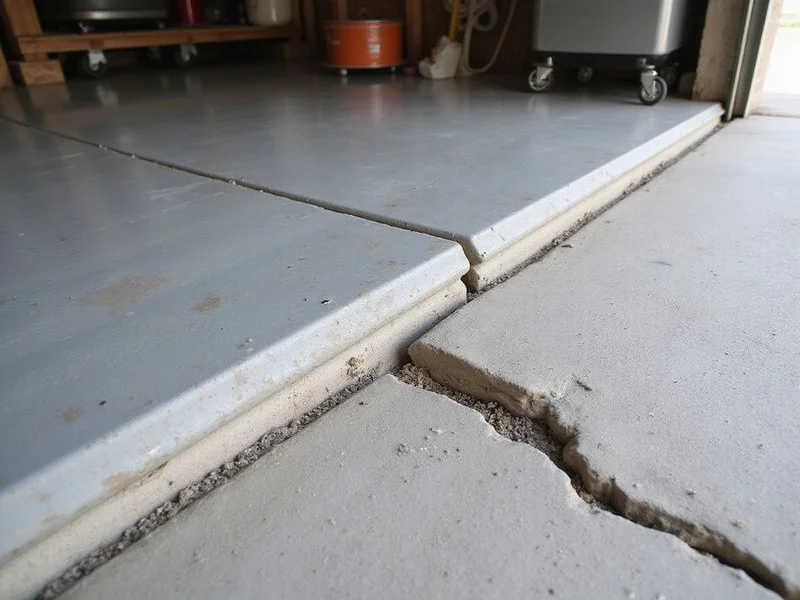
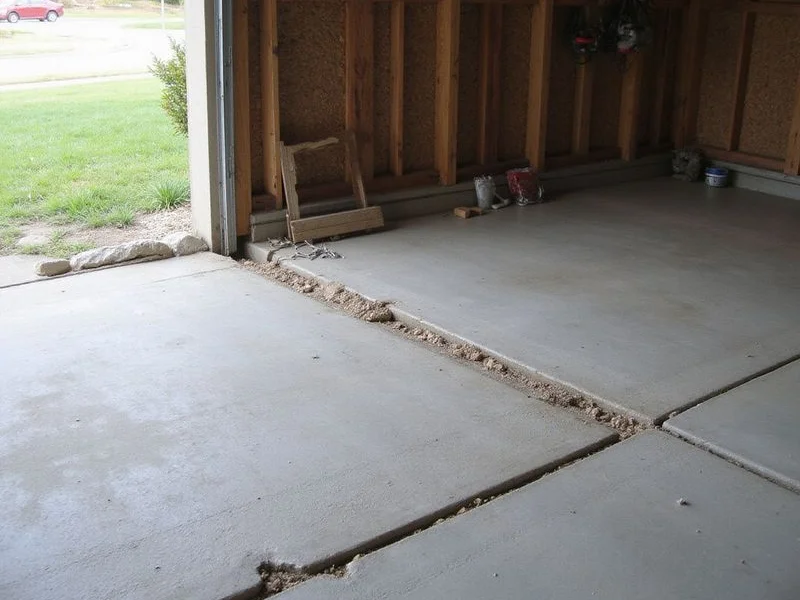
Garage Floor Leveling: settled section lifted back to grade
What Customers Say About Our Garage Floor Leveling
We're a new business and we're not going to pretend otherwise. These are early customer comments; verified Google reviews go here as they come in.
"Our driveway apron had dropped a good two inches at the garage and I assumed we were looking at a full repour. They lifted it back to grade in an afternoon and we parked on it that evening. Half of what the replacement quotes were."
"Front stoop had pulled away from the house and dropped at one corner. They closed the gap and brought it back level without rebuilding it. Honest about what they could and couldn't fix, which I appreciated."
"We had a trip hazard on a shared walkway at our rental. They leveled the stepped sections the same day and it's been solid. Fast, clean, and no demolition mess for the tenants."
Garage Floor Leveling FAQs
How much does garage floor leveling cost?
Most residential garage slabs run roughly $3 to $10 per square foot, set by how much lift is needed and how much void has to be filled underneath. A single stepped section is a small job; a full double bay is a larger one. The written on-site quote is free.
Is the foam strong enough to park on?
Yes. Closed-cell polyurethane used for slab lifting has substantial compressive strength. It's specified for load-bearing slab support, which includes garage floors and driveways carrying vehicles. It reaches working strength in about 15 minutes.
Will leveling fix my garage door not sealing?
If the gap is there because the slab dropped away from the threshold, yes. Raising the slab back to the door line restores the contact and closes the gap. If the door itself is out of square or the opener is off, that's a door problem and we'll tell you so.
How messy is it inside the garage?
Much less than people expect. We drill coin-sized ports, run the hose in from the drive, and use drop cloths. Everything arrives and leaves on the truck. There's no demolition, no debris pile, and no dust cloud from a jackhammer.
My garage floor cracked as it sank. Can it still be lifted?
Usually. Settlement cracking is common when a slab drops into a void, and the sections either side are typically still sound enough to raise. What rules a lift out is concrete that has crumbled or spalled through its depth. We assess that on site before quoting.
Why did my garage slab sink when the house didn't?
Because they're built differently. Your foundation footings sit below Connecticut's 42-inch frost line. The garage slab is poured on backfill, which is looser than undisturbed ground and keeps consolidating for years. Add freeze-thaw heave and water intrusion and you get uneven drops.
One section rose and another dropped. What's happening?
Uneven support underneath. Where a void has formed the section drops; where trapped water freezes and expands the section can lift. The two move at different rates and step apart at the control joint. Both get brought back into line during the lift.
Can you level a basement or interior slab too?
Yes. Basement floors, utility room slabs, and interior flatwork use the same method. Interior work needs a bit more care with access and protection, and we cover that at the inspection.
Question not covered here?
Send a photo of the slab with your question. We'll tell you what we're looking at before anyone visits.
Ask Us DirectlyRelated Guides
Garage Door & Threshold Out of Alignment: Causes
A dropping garage slab throws the door and threshold out of alignment and breaks the seal. Learn the cause and how leveling restores it.
Stepped or Heaved Garage Slab Sections
When garage slab sections move at different rates, they step apart into a trip and equipment hazard. Learn how they're brought back level.
Why Is My Garage Floor Sinking or Cracking?
Garage slabs sink when backfill settles and voids form, then freeze-thaw cracks them. Learn the causes and how foam lifts the slab back to level.
Related Services
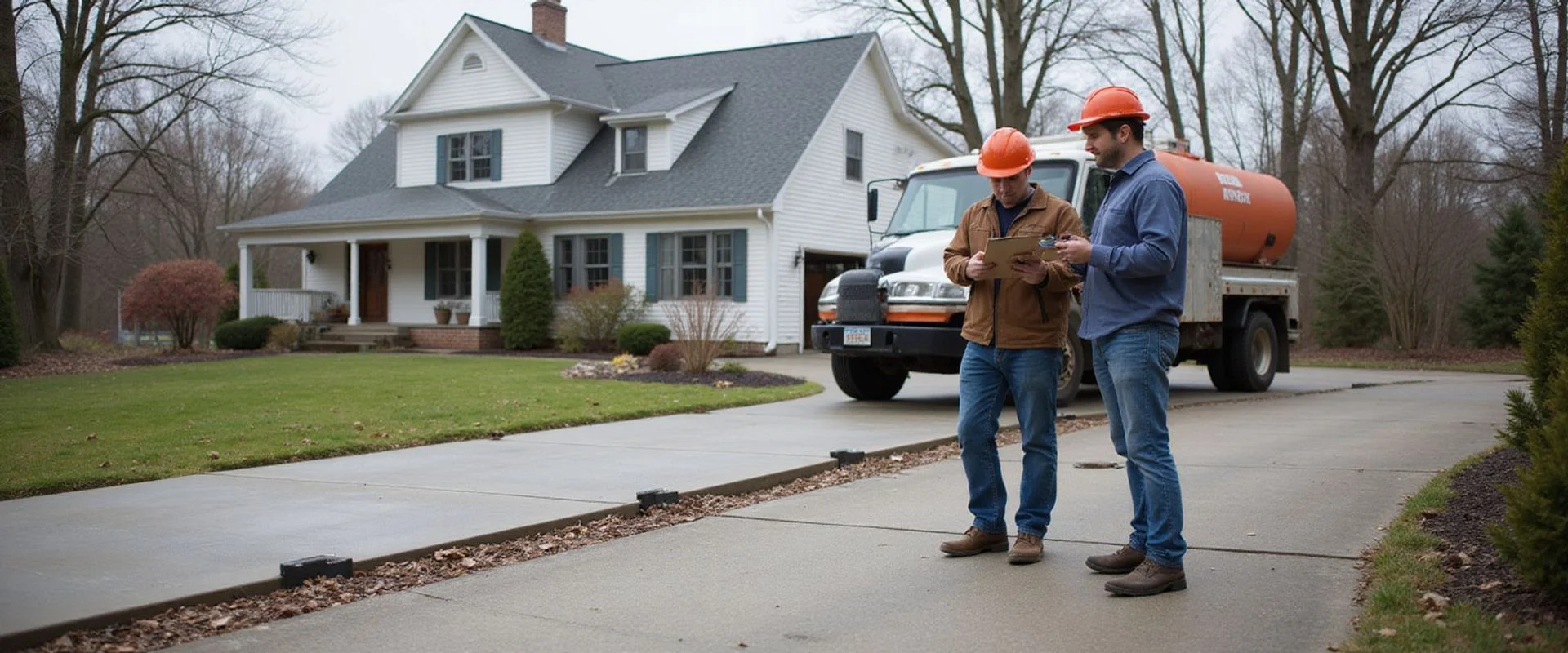
Ready to Book Garage Floor Leveling?
Free on-site inspection and a written quote for your garage floor leveling job, including an honest call on whether lifting or replacing is the better buy.
- Written quote before any work starts
- No demolition, landscaping stays intact
- CT HIC registered and insured